Building a wine cellar involves more than just lining up high-quality bottles side by side. It’s about strategy, smart selection, and proper storage—so that every bottle can mature undisturbed until it reaches its peak. Best of all: These days, you don’t even need your own basement to create a well-planned wine cellar. With Wine Wallet , your wines will mature under optimal conditions—from selection to storage.
Building a Wine Cellar: Start with a Strategy
Before you start building your wine cellar, it’s a good idea to have a clear plan. Here are three questions to help you:
- Enjoyment or appreciation? Do you want to enjoy your wines yourself over the years—or are you deliberately investing in their potential for appreciation?
- Classics or rarities? Bordeaux , Burgundy, and Wachau—or a specialized selection?
- Medium-term or decades? Some wines are made to age for a long time, while others are meant to be enjoyed in the coming years.
Note on Value: We are sommeliers and wine experts, not investment advisors. This article does not constitute investment advice, and we make no promises regarding returns—whether and how a wine increases in value depends on many factors.
Making the Right Choice
The most thoughtfully curated wine collections are characterized by a wide range of vintages, variety, and quality. The following have proven to be effective:
- Fine & Rare Wines with Aging Potential.
- Verticals— multiple vintages of the same wine—for maximum depth.
- Limited Editions & Subscription Wines: You can get them at great prices through our partner retailers.
Proper storage is key
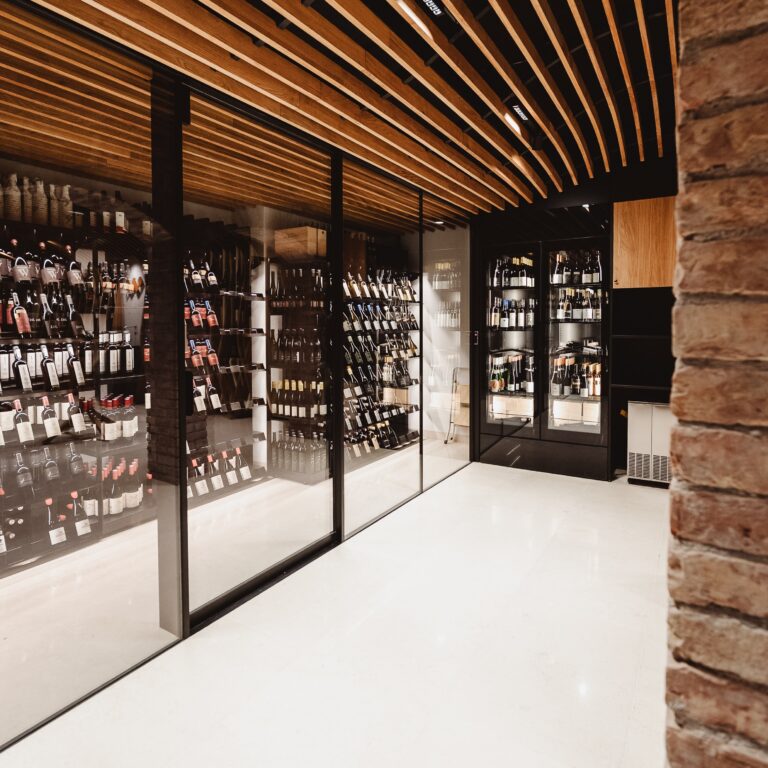
Even the best wines lose their potential if they are stored improperly. Optimal conditions ensure quality and the aging process:
- Temperature: a constant 15 °C, with no fluctuations.
- Humidity: about 70%, to prevent the cork from drying out.
- Light protection: no UV radiation—it damages the wine.
- Quiet: no vibrations, so that the aging process is not disturbed.
- Insurance: Coverage for breakage, theft, fire, and water damage.
With Wine Wallet , you'll benefit from storage conditions that far exceed what a private basement can offer.
"Even the best wine loses its potential if it's stored improperly."
To Go
- Strategy first: Determine whether your priority is enjoyment, long-term aging, or value appreciation—your choice will depend on that.
- Storage is key: a constant temperature, the right humidity, no light, and no vibration—otherwise, the wine will lose its potential.
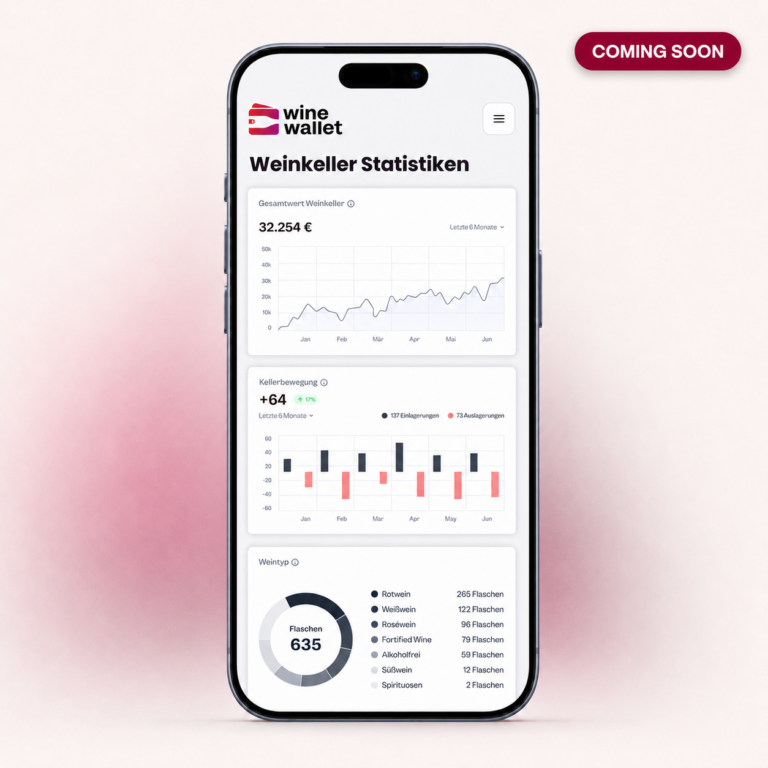
- Stay on top of things: A digitally tracked wine inventory lets you see what you have at any time—and makes it easy to expand your collection in a targeted way.